Custom SaaS Development: Complete Guide to Building Scalable SaaS Products
What is Custom SaaS Development?
Software as a Service (SaaS) has transformed the way businesses build, deliver, and consume software. Instead of installing applications on individual devices, SaaS products are hosted in the cloud and accessed through a web browser, making them more accessible, scalable, and cost-effective.
Custom SaaS development refers to building a cloud-based software solution specifically tailored to an organization's workflows, objectives, and customers. Unlike off-the-shelf software, custom SaaS platforms provide complete flexibility, allowing businesses to develop unique features, integrate with existing systems, and scale according to future requirements.
Why Choose Custom SaaS Over Ready-Made Software?
Every business has unique operational needs. Generic software often includes unnecessary features while lacking the functionality required for specific business processes. Custom SaaS development ensures that every feature serves a purpose and supports business growth.
- Designed specifically for your business model.
- Higher flexibility for future feature additions.
- Complete ownership of your product.
- Improved customer experience.
- Better security and compliance.
- Easy integration with third-party services.
Key Benefits of Custom SaaS Development
1. Scalability
As your customer base grows, your application should grow with it. Modern cloud infrastructure enables automatic scaling, ensuring your platform remains responsive even during traffic spikes.
2. Enhanced Security
Security is one of the most critical aspects of any SaaS platform. Implementing secure authentication, encrypted communication, role-based access control, and regular security audits helps protect sensitive user data.
3. Better User Experience
Since the application is built specifically for your target audience, users enjoy cleaner interfaces, intuitive navigation, and workflows that improve productivity.
4. Seamless Integrations
Modern SaaS platforms often connect with payment gateways, CRM systems, cloud storage providers, analytics tools, and communication platforms. Custom development makes these integrations easier and more reliable.
Technology Stack for Modern SaaS Applications
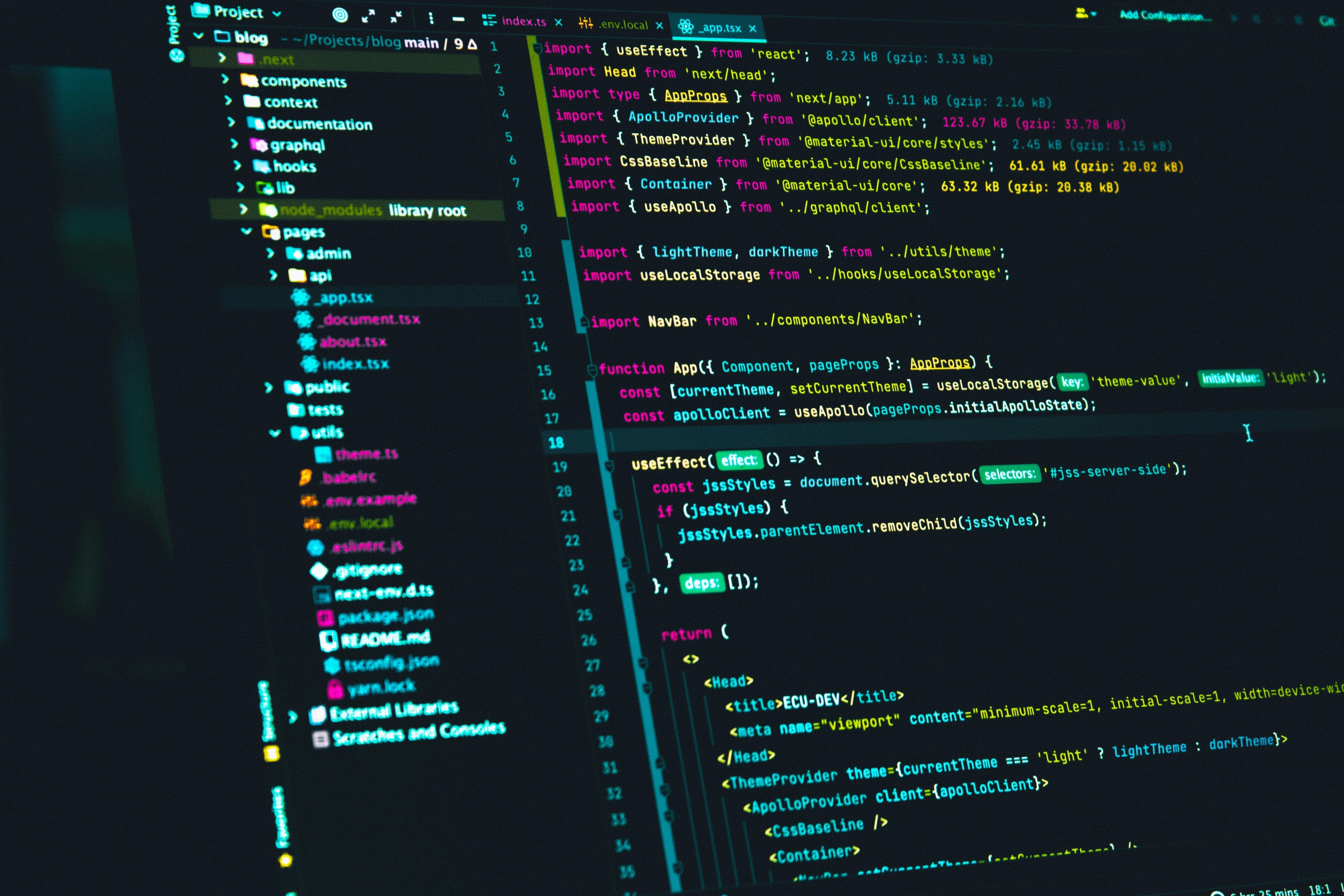
Choosing the right technology stack directly impacts performance, maintainability, and scalability. A typical modern SaaS stack includes:
- React or Next.js for interactive user interfaces.
- TypeScript for better code quality and maintainability.
- Node.js with Express.js for backend APIs.
- MongoDB or PostgreSQL for reliable data storage.
- Redis for caching and performance optimization.
- AWS, Azure, or Google Cloud for cloud hosting.
- Docker and Kubernetes for containerized deployment.
Essential Features Every SaaS Product Should Include
- User authentication and authorization.
- Role-based access control.
- Subscription and billing management.
- Dashboard with analytics.
- Notification system.
- API integrations.
- Activity logs.
- Responsive design.
- Admin management panel.
- Data backup and recovery.
The SaaS Development Process
Requirement Analysis
Every successful SaaS project begins by understanding business goals, identifying user pain points, and defining the product roadmap.
UI/UX Design
Wireframes and prototypes help visualize the application before development starts, ensuring a smooth user experience.
Development
Frontend and backend teams work together to implement features, APIs, authentication, databases, and integrations while following modern development practices.
Testing
Comprehensive testing—including functional, performance, security, and usability testing—helps deliver a reliable and stable application.
Deployment
Continuous Integration and Continuous Deployment (CI/CD) pipelines allow teams to release updates efficiently while minimizing downtime.
Best Practices for Building SaaS Products
- Start with a Minimum Viable Product (MVP).
- Design APIs before implementation.
- Use reusable components.
- Optimize performance from day one.
- Implement proper monitoring and logging.
- Follow secure coding practices.
- Gather user feedback regularly.
- Continuously improve based on analytics.
Common Challenges
SaaS development involves challenges such as handling large user bases, maintaining application performance, ensuring data security, and supporting continuous feature releases. Choosing the right architecture and development partner can significantly reduce these risks.
Why Businesses Invest in Custom SaaS
Custom SaaS platforms provide long-term value by increasing operational efficiency, automating repetitive tasks, improving customer engagement, and enabling businesses to adapt quickly to changing market demands.
Conclusion
Custom SaaS development empowers organizations to build scalable, secure, and future-ready software tailored to their unique business requirements. By investing in the right technology stack, following modern development practices, and prioritizing user experience, businesses can create products that remain competitive in an evolving digital landscape.
Frequently Asked Questions
What is Custom SaaS Development?
It is the process of building cloud-based software tailored to a business's unique requirements instead of relying on generic, off-the-shelf solutions.
How long does it take to build a SaaS application?
Development timelines vary depending on complexity. A Minimum Viable Product (MVP) can take a few months, while enterprise-grade platforms may require significantly more time for planning, development, testing, and deployment.
Which technologies are commonly used?
Popular technologies include React, Next.js, Node.js, Express.js, TypeScript, PostgreSQL, MongoDB, Docker, Kubernetes, and cloud providers like AWS, Azure, or Google Cloud.
Is custom SaaS suitable for startups?
Yes. Many startups begin with an MVP built as a custom SaaS application, validate their idea, gather user feedback, and then scale the platform as their customer base grows.